

If you wanted a clear read on where the collector car market actually sits in 2026, Monaco gave it to you with all the subtlety of a V12 at full throttle through the tunnel.
And the answer is this.
The middle market is thinking carefully. The top end does not care.
The auctions across April 24th and 25th at RM Sotheby’s and Bonhams confirmed what serious collectors, seasoned dealers, and quietly aggressive capital already suspected. We are now operating in a sharply divided market. A proper K-shaped split.
Average cars are being interrogated. Exceptional cars are being hunted.
Because in uncertain financial climates, wealthy people stop buying “nice things” and start buying irreplaceable things.
And Monaco was full of them.
Ferrari Still Rules The Planet
No manufacturer controls emotion, mythology, and liquidity quite like Ferrari.
Not Porsche. Not Lamborghini. Not McLaren.
Ferrari remains the automotive equivalent of beachfront property in Monaco itself. There may be turbulence in the world economy, but the truly rare examples still attract capital like gravity.
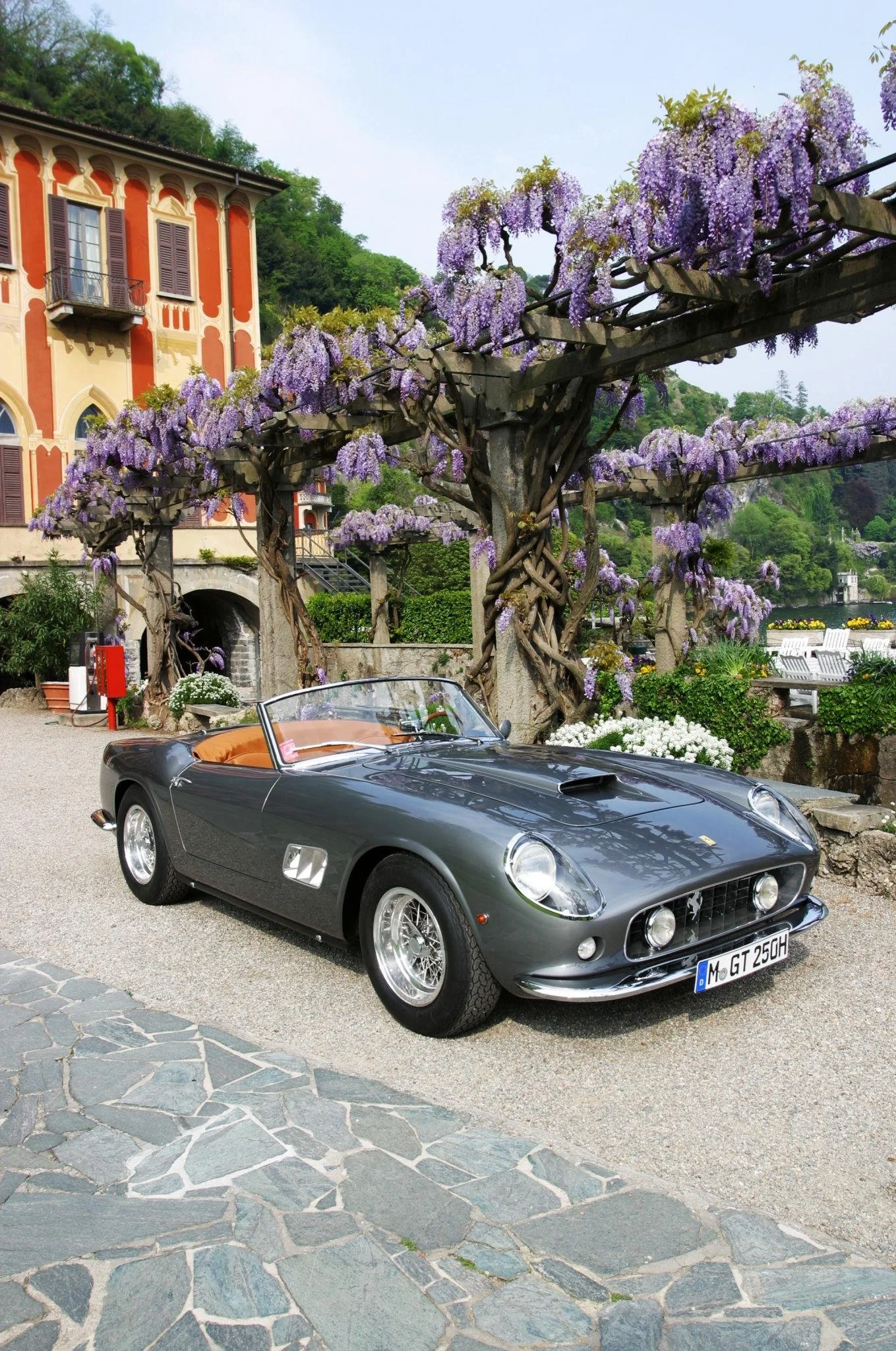
The undisputed star of the weekend was the 1961 Ferrari 250 GT SWB California Spider.
A former Frankfurt Motor Show car. Covered headlights. Sensational provenance. Exactly the sort of machine that causes otherwise rational billionaires to suddenly behave like teenagers spotting Claudia Schiffer in 1992.
It hammered at €16.655 million.
That is not merely strong money. That is market-defining money.
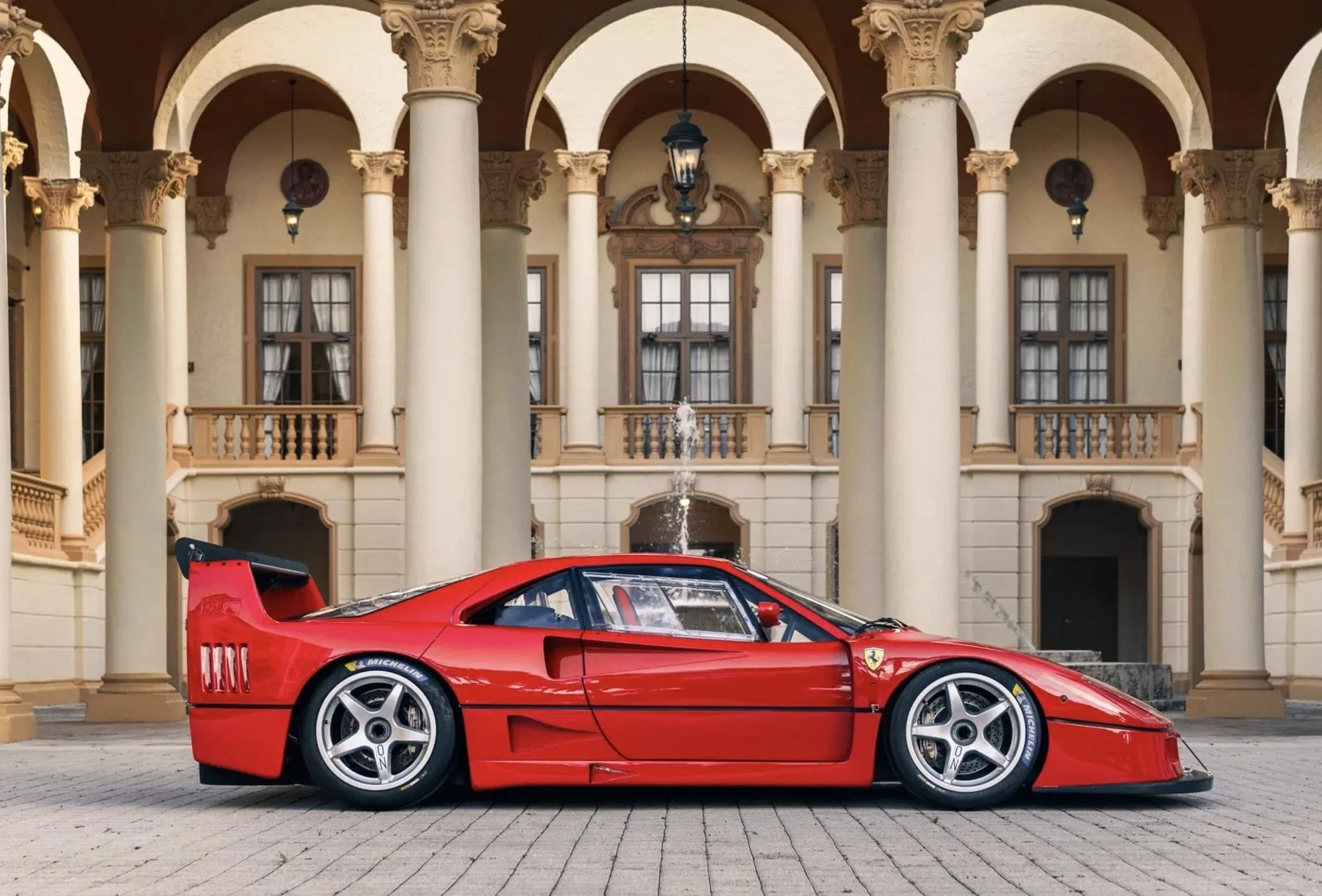
Then came the F40.
And frankly, this result stopped half the auction hall in its tracks.
A completely correct, non-adjusted, non-cat 1989 Ferrari F40 with just 1,799 km achieved over €4.3 million, setting a world record for a standard road-going F40.
Collectors no longer want cars polished into oblivion. They want authenticity. Factory finishes. Original fasteners. Correct stickers. The tiny details obsessive people notice at 6:30am while lying on the floor with a flashlight and coffee.
Because untouched cars now carry archaeological importance.
And then the modern halo cars arrived to remind everyone that the hypercar era is no longer “modern.” It is collectible history.Make it stand out
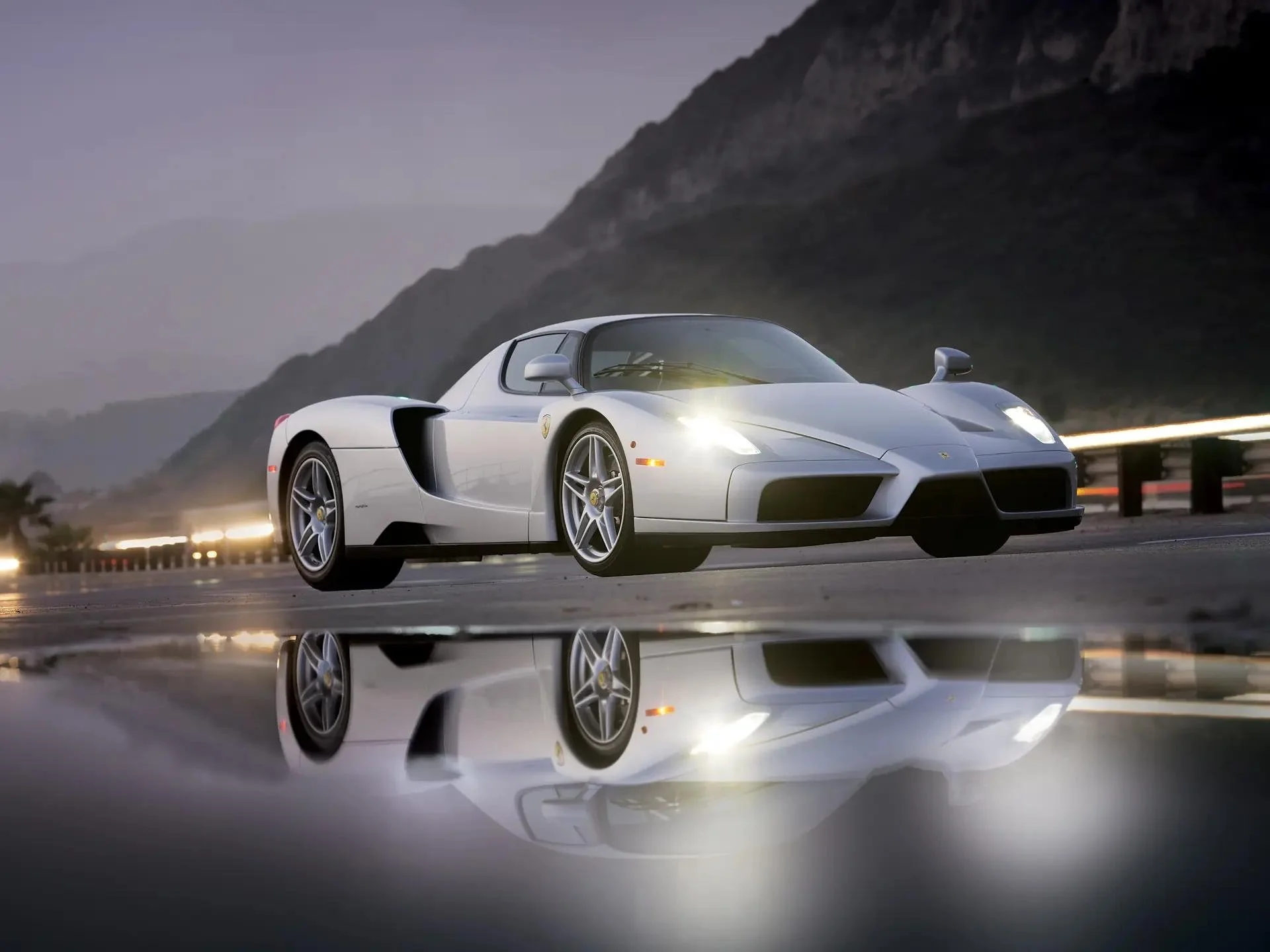
The 2004 Ferrari Enzo crossed €6.5 million

Jay Kay’s uniquely specified 2014 LaFerrari made over €5 million.
That market is not cooling. It is consolidating upward.
Technical Madness Is Winning
Here’s the interesting shift.
Monaco showed that buyers are increasingly rewarding engineering charisma over traditional concours perfection.
In other words, people want the weird, the aggressive, the historically important, and the mechanically unhinged.
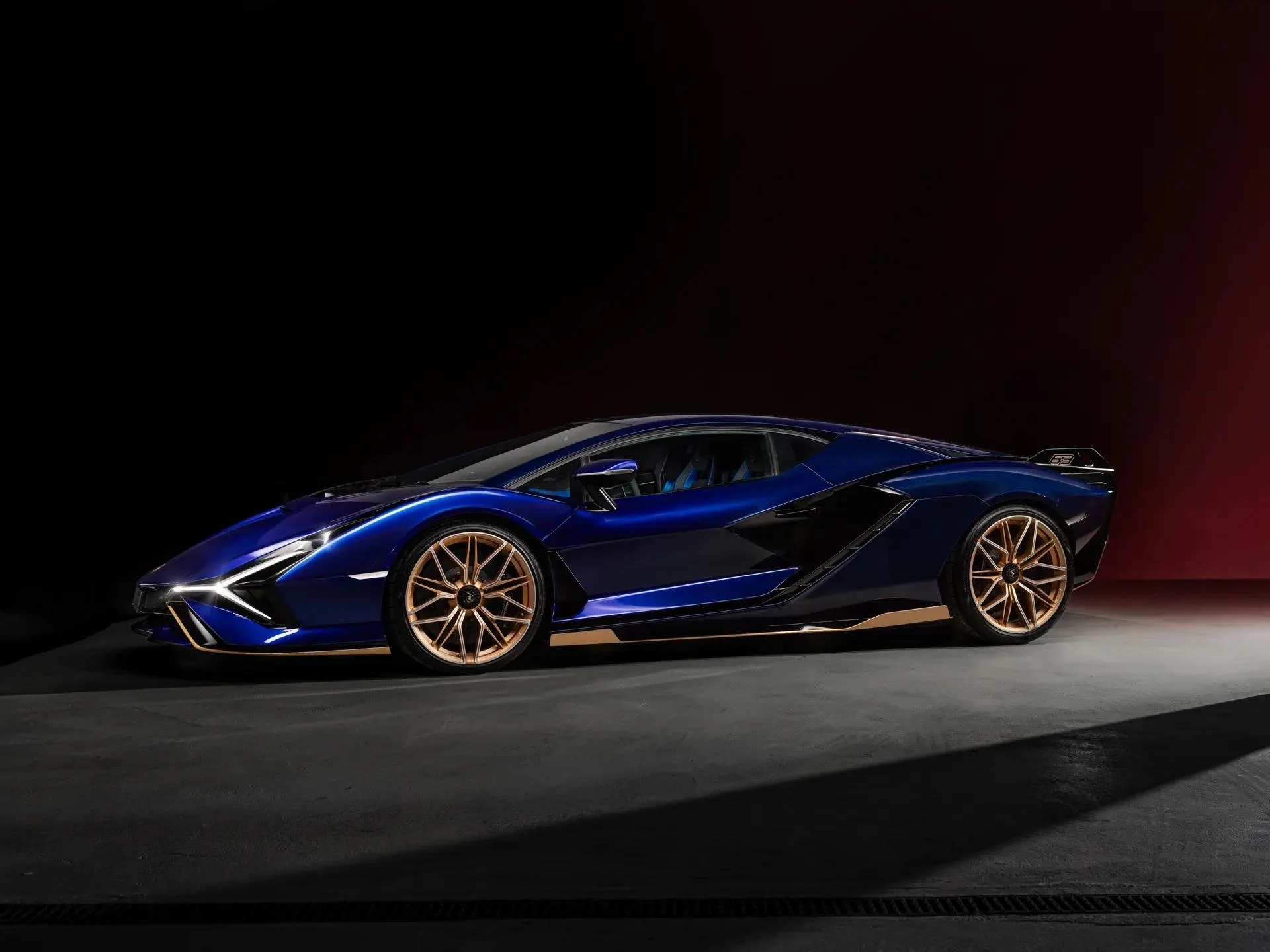
Which is why the 2021 Lamborghini Sián FKP 37 performed so strongly.
Electrified? Yes.
But more importantly, it represents a bridge between two worlds. The final scream of naturally aspirated excess colliding with the unavoidable future.
Collectors understand this instinctively.
It is why analog motorsport homologation specials also continue climbing relentlessly.
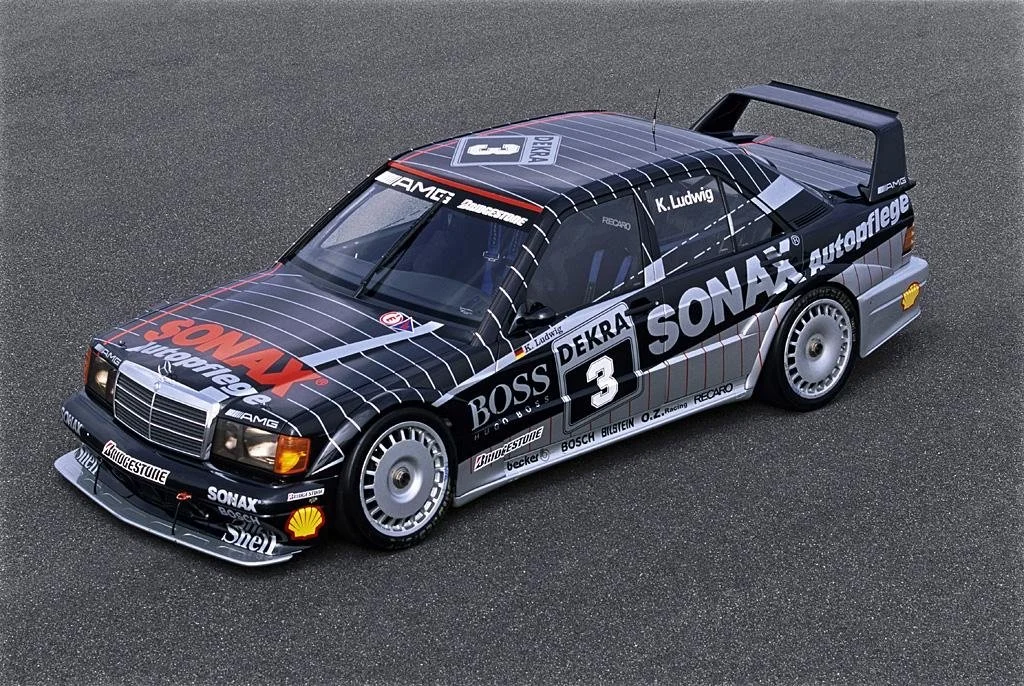
The AMG-Mercedes 190E Evolution II and the BMW E30 DTM cars pulled extremely serious bidding.
And rightly so.
Because Gen X and Millennial collectors are now buying the bedroom wall poster cars of their youth. The machines they watched trading paint on VHS tapes and grainy late-night touring car broadcasts.
These cars are no longer “youngtimers.”
They are blue-chip analog assets.
And perhaps most tellingly, the 1955 Aston Martin DB3S still achieved over €3.3 million despite broader softness in parts of the British collector market.
Why?
Competition provenance.
Real racing history still cuts through economic noise like a straight-piped GT40 through a quiet village.
What Smart Money Is Buying Right Now
At Autodrome International, the Monaco results reinforced something we have been watching develop for the last 24 months.
The market no longer rewards quantity. It rewards precision.
Three categories now stand out.
1. Untouched Originals
The “freshness premium” is now utterly dominant.
Cars hidden away for decades with original paint, documented mileage, correct history, and complete paperwork now trade in a completely different universe from restored examples.
A restored car may look better.
But an untouched car tells the truth.
And collectors increasingly want truth.
2. Hypercars With Allocation Gravity
The Ferrari F80 and the incoming McLaren P18 are already changing buying behavior upstream.
Cars like the Porsche 918 Spyder and McLaren P1 are now viewed as gatekeeper assets.
Ownership history matters.
MSO specification matters.
Color matters.
Mileage matters.
Because buyers know manufacturers increasingly reward existing clients when the next impossible-to-buy hypercar appears.
The car itself is only part of the value proposition now. Access is the other half.
3. Rare-Spec Porsches
This may be the most fascinating shift of all.
People are no longer buying “a 911.”
They are buying an exact configuration.
Paint-to-Sample. Werks Turbo-Look. Air-cooled rarity. Strange interiors. Obscure option codes.
A triple-violet 964 Carrera 2 Cabriolet WTL recently achieved nearly double estimate simply because the specification was utterly impossible to replicate today.
That is where the market is headed.
Rarity within rarity.
The Real Message From Monaco
The speculative frenzy years are over.
Good.
Frankly, the market needed cleansing.
The speculative noise is fading. What replaces it is a far more intelligent collector era, one built around provenance, originality, documented servicing, and genuine desirability.
Cars without history files are struggling. Dormant collections with patchy maintenance records are being questioned hard. Meanwhile, properly curated, road-ready investment cars with impeccable provenance remain highly liquid and fiercely sought after.
That distinction matters.
Because the serious money entering the collector market in 2026 is not buying transportation. It is buying tangible cultural assets with global desirability and finite supply.
Monaco made that painfully clear.
At the very top of the market, the great cars are not slowing down. They are simply becoming harder to reach.
Which is precisely why sourcing, verification, and access now matter more than ever.
At Autodrome International, we are seeing buyers shift away from speculative purchases and toward carefully selected, historically significant cars with the right provenance, specification, and long-term collectability.
Because in this market, buying the right car is everything. it stand out